
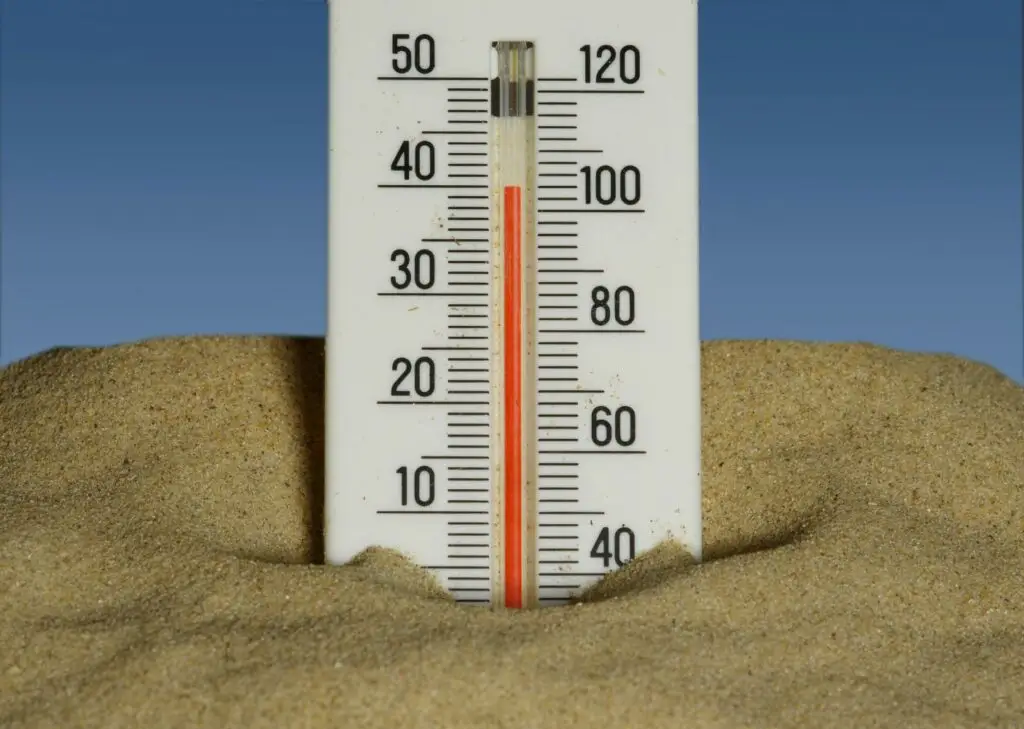
If you feel shaky, panicky, irritable, or even a bit off when the temperature rises, it could be that you struggle with heat anxiety.
Extreme heat doesn’t affect everyone the same. For some, it might just be uncomfortable at most. But for you, it feels like shortness of breath or like your heart is going to pop out of your chest.
The 100-plus-degree days for months on end here in Arizona don’t help.
But by understanding the connection between anxiety and heat, you can start to recognize why your body reacts the way it does and what you can do to come back to a steadier state.
If you are in crisis or thinking about harming yourself, call or text 988 or text HOME to 741741 through the Crisis Text Line. Both offer 24/7 support. You can also call Cornerstone Healing Center at (888) 583-3480.
Does Heat Cause Anxiety?
You step outside, and you feel your heart start pounding. Your mind starts racing, trying to figure out what’s happening.
The culprit may just be your body’s response to heat.
When your body tries to cool itself down, your heart rate increases. You may start sweating more notice your breathing change, and begin to feel lightheaded, tense, flushed, or restless.
Those physical sensations are very similar to anxiety symptoms, which is one reason people often connect heat and anxiety.
Your nervous system can’t always separate “I’m hot” from “I’m in danger.” Your brain may interpret a racing heart or faster breathing as a threat.
That can create a loop:
- Heat changes how your body feels
- That feeling is unsafe
- Your mind reacts with fear
- The fear makes the body feel even more activated
But can heat really trigger anxiety at a biological level?
Well, according to a peer-reviewed article in Health Science Reports, chronic heat can affect the body’s stress response, including cortisol and HPA-axis activity. In essence, when your body is under heat stress, it has to work harder to regulate temperature, circulation, breathing, and hydration, activating the same stress symptoms involved in anxiety.
If you feel that heat-induced anxiety or any form of anxiety has become a regular part of your life, Cornerstone offers several anxiety disorder treatment options that can help you understand what may be happening beyond the heat.
Heat Anxiety Symptoms: How to Tell It Apart From a Panic Attack
Heat anxiety symptoms and panic attack symptoms can feel very similar.
You may notice:
- Racing heart
- Sweating
- Dizziness
- Shortness of breath
- Shakiness
- Nausea
- Chest tightness
- A sense of dread
- Feeling trapped or desperate to get somewhere cool
If you’re trying to figure out whether heat is the main trigger or not, ask yourself whether your symptoms disappear once you cool down, hydrate, and get out of the heat.
If so, heat may be the main driver. But if you cool down and still feel like you’re bracing for another episode, anxiety or panic may be more involved.
For some people, heat is a panic trigger.
The Anxiety and Depression Association of America notes that heat can affect mental health by worsening stress, anxiety, mood changes, concentration problems, sleep disruption, and physical symptoms like dizziness or nausea.
Cornerstone offers anxiety treatment for people who need support with heat-induced panic attacks or other anxiety disorders.
Why Arizona Summers Make Heat Anxiety Worse
According to the National Weather Service, Phoenix typically experiences 100-degree weather from the beginning of May through Mid-October.
With that much extreme heat, it’s hard to catch a break, and your nervous system may not receive enough recovery time.
A single hot week can be stressful enough. Months of extreme heat can even start to have a negative impact on your sleep. And the less time you’re able to spend outdoors, the less flexibility you have with social plans or errands.
If you’re experiencing heatwave anxiety, you may also start anxiously checking the temperature before leaving the house. You may avoid stores, driving, appointments, or walks because you worry about how your body will react.
If you don’t have reliable air conditioning, live in an older home, or have higher risk factors, the weather can affect your mood even more.
Who Is Most at Risk for Heat Anxiety?
While anyone can feel anxious in extreme heat, some people are more vulnerable.
For example, you may be more sensitive to anxiety and heat sensitivity if you already experience anxiety, panic attacks, depression, trauma symptoms, or chronic stress. Your nervous system may already be on alert, and heat adds another physical stressor.
Heat can also cause anxiety if you’re someone who already overanalyzes your body’s internal sensations, such as your heart rate or breathing.
The American Psychiatric Association notes that people with certain mental health conditions, such as dementia or schizophrenia, can be more vulnerable during extreme heat, and some antidepressants and antipsychotics can also interfere with temperature regulation.
Does this mean you should stop or change your prescribed medication? Absolutely not, unless you’ve discussed your heat intolerance or anxiety with your prescriber and they’ve given you suggestions.
But if you feel that the heat is worsening your depression symptoms, you may need to find support that addresses both in tandem. Cornerstone offers resources on co-occurring disorder treatment and depression and mood treatment.
How to Deal With Heat Anxiety: What Actually Helps
Heat can make you anxious, and when you feel it coming on, the best thing you can do is bring your body back to a more regulated state.
Try this:
- Move out of direct heat
- Get into the shade or a cooler, ideally air-conditioned space
- Put cool water on your wrists, neck, or face
- Take longer exhales to signal to your nervous system that your body is safe
- Drink water or electrolytes to rehydrate
- Say out loud, “This is heat, not danger.”
The last step is key, as naming the response can interrupt the loop.
You aren’t telling yourself that nothing is happening. Something is happening. Your body is hot, activated, and uncomfortable. But just because you’re uncomfortable doesn’t mean you’re in danger.
Your job in that moment is to help your body register that it’s cooling down and that you’re supporting it.
Prevention is equally important:
- Try to plan errands earlier in the morning or later in the evening
- Keep water with you
- Take note of warning signs like headaches, irritability, dizziness, or feeling flushed
- Build in recovery time after heat exposure
- Wear breathable clothing
- Avoid unnecessary outdoor activity during peak heat
Of course, there’s also a medical safety line here. If you feel confused, faint, short of breath, or have signs of heat stroke, seek urgent medical care.
Once you’ve ruled immediate medical danger out, it’s worth looking at how often you’re dealing with anxiety and how much of an impact it’s having on your life. Coping tools can help in the moment, but they may not be enough on their own. With a structured Virtual IOP program, you can get more support than with weekly therapy while sticking to your daily routine.
Get Anxiety Support That Makes An Impact
Explore evidence-based treatment options for anxiety and panic attacks.

When Heat Anxiety Might Be Something More
If you have occasional anxiety in extreme heat, that doesn’t necessarily mean you have an anxiety disorder.
Some people just feel worse on brutal summer days. It’s a normal response to physical stress, poor sleep, dehydration, or feeling trapped indoors.
With that said, it may be worth talking to someone if:
- Your symptoms continue long after you cool down
- You feel panicked before leaving the house
- You avoid errands, work, or social plans because of the heat
- Your anxious feelings continue into fall and winter
- You worry constantly about having another episode
- Your symptoms are getting more frequent or intense
Anxiety disorders are treatable. Of course, treatment won’t change the Arizona heat, but it can help you understand your triggers and build coping skills to support your nervous system so it doesn’t move into panic so quickly.
The Heat Is Real, and So Is What You're Feeling
Heat anxiety is not a weakness. You are not being dramatic. It is a real bodily response that can become more intense when your nervous system reads heat as danger.
That’s particularly true in Arizona where extreme heat is part of daily life here for many months of the year.
So if the connection between anxiety and heat is starting to impact your daily life, it may be time to talk with someone.
Cornerstone Healing Center helps people understand anxiety patterns and find the level of care that fits their needs. For some people, that may mean outpatient therapy. For others, it may mean a higher level of support like a partial hospitalization program.
You can verify your insurance, call (888) 583-3480, or read more about Cornerstone’s anxiety treatment options before deciding what comes next.
If you are in crisis or thinking about harming yourself, call or text 988 or text HOME to 741741 through the Crisis Text Line. Both offer 24/7 support. You can also call Cornerstone Healing Center at (888) 583-3480.
Frequently Asked Questions About Heat Anxiety
Can heat trigger anxiety, or does it just feel that way?
Yes, but usually indirectly. Heat can create physical sensations, such as a racing heart, sweating, dizziness, and shortness of breath, that overlap with anxiety. Those sensations can trigger anxious thoughts, which can make the body feel even more activated.
Can heat cause a panic attack?
Yes, hot weather can contribute to panic for some people. If heat creates body sensations that feel dangerous, your nervous system may escalate into panic.
Why does heat make my anxiety worse?
Heat may worsen your anxiety because it changes how your body feels and impacts your brain’s fear center. It can also increase cortisol, which can amplify your stress reactivity.
Is heat anxiety a real diagnosis?
According to the DSM-5, heat anxiety is not a standalone clinical diagnosis. However, it’s a very common experience. Heat can trigger or intensify a range of anxiety symptoms, which is why the two are so closely intertwined.
How do I calm down quickly when heat is triggering my anxiety?
The first line of defense against anxiety in the heat is cooling your body.
Get into the shade or air conditioning, put cool water on your wrists or neck, take deep breaths, and remind yourself, “This is heat, not danger.”
Does living somewhere hot, like Arizona, make anxiety worse long-term?
Living in a hot climate can increase exposure to heat-related stress in the short term, but if it’s starting to impact your sleep, routines, outdoor activity time, or social interactions, it may worsen your symptoms and put you more at risk for long-term anxiety.
When should I see someone about heat-triggered anxiety?
If your anxiety outlasts the heat or feels more frequent, reach out for support. A professional can help you understand if your anxiety is heat-related and whether it may be part of a broader anxiety pattern.