
PTSD Treatment in Scottsdale & Phoenix
Safely process trauma, manage overwhelming symptoms, and regain a sense of stability and control with our PTSD treatment in Scottsdale and Phoenix, AZ. Verify your insurance and contact us to take the first step to a better tomorrow!
Begin your insurance verification today


Overcome PTSD with Cornerstone
With PTSD, overcoming trauma isn’t as easy as just “moving on.” Daily life regularly gets interrupted by painful memories that transport you back to the past. With Cornerstone’s compassionate and evidence-based care for PTSD and complex PTSD, you can begin the process of healing and look forward to a secure and peaceful future.
We offer residential, outpatient, and virtual treatment options to meet your unique care needs and lifestyle. Our programs take a whole person approach, merging traditional therapies with holistic interventions. Through evidence-based therapies, compassionate clinical support, and personalized treatment plans, we help clients address the emotional and physical effects of trauma in a supportive healing environment. You can get relief from your symptoms, heal for good, and take your life back.
Move forward from trauma with compassionate support from experienced providers. Call our team to learn more about our PTSD rehabs in Arizona.
Understanding PTSD
What is PTSD?
What is Complex PTSD?
Who Can Develop PTSD?
Risk Factors
Diagnosing PTSD
Post-Traumatic Stress Disorder (PTSD) is a mental health condition triggered by exposure to actual or threatened death, serious injury, or sexual violation through directly experiencing, witnessing, or learning about traumatic events.
Hallmark symptoms include re-experiencing the trauma through intrusive memories, nightmares, and emotional/physical distress when reminded of the event. Avoidance of trauma reminders often co-occurs alongside increased arousal like hypervigilance, startle reactions, irritability, and sleep issues.
Complex PTSD (C-PTSD) is a more severe form of Post-Traumatic Stress Disorder that can develop after prolonged or repeated exposure to trauma, especially trauma that occurs in situations where the individual feels trapped or powerless. This could include long-term abuse, captivity, or living in a war zone, among other experiences.
The main difference between PTSD and C-PTSD is the length of trauma exposure – complex PTSD is caused by trauma that occurs over a long period of time. Though there are multiple similarities between the two conditions, treating C-PTSD often requires a more specialized approach and a team of experienced providers. Call us to learn more about our complex PTSD treatment in Scottsdale and Phoenix.
While frequently associated with veterans, PTSD affects many people after diverse traumatic exposures like natural disasters, accidents, violence, abuse, or sudden loss. Estimates state that 8 million American adults have PTSD in a given year. Substantial research links brain changes like altered prefrontal cortex functioning and neurotransmitter imbalances to the exaggerated fear and stress responses displayed.
Certain pre-trauma, trauma-related, and post-event factors have been shown to elevate the risk of developing PTSD. Trauma severity level correlates strongly with events involving actual or threatened death/injury, witnessing others harmed, and childhood trauma, increasing the probability of PTSD heavily. Individual characteristics like prior mental illnesses, minority status, and financial instability also heighten vulnerability as support access declines.
Additional risks from prior repeated trauma put you at risk as well. A lack of social support and life stresses or further trauma burdens can hinder recovery significantly. Gender also plays a role, with adult women twice as likely to develop PTSD, potentially tied to types of trauma faced and hormones influencing brain pathways for threat response regulation.
Making an accurate PTSD diagnosis requires specialized training, given similarities to other post-trauma responses in the initial month plus disorder complexities. Our clinicians conduct interviews to gauge the types of trauma exposure you’ve faced. We also assess symptom clusters from flashbacks and physical reactions to emotional numbness and hypervigilance that endure over a month.
We are careful to provide an accurate diagnosis and cover all bases, including ruling out acute stress disorder, substance abuse, depression, and anxiety. Contact our team today to schedule an assessment!
Get Started Now
Call and speak with one of our caring team members about help for you or a loved one.


Our PTSD Treatment Programs

Residential Programs
Our residential programs for PTSD provide around-the-clock care in a safe, supportive environment. With a mix of therapy, medication, and holistic approaches, this immersive program helps you address the core issues behind your PTSD and develop lasting coping skills for long-term recovery.

Outpatient Programs
Our outpatient treatment for PTSD provides flexible, part-time care, enabling individuals to focus on recovery while keeping up with daily responsibilities. With therapy, medication management, and supportive services, we guide you through your symptoms and recovery journey.

Virtual IOP
Our Virtual Intensive Outpatient Program (IOP) for PTSD offers comprehensive, convenient support from the comfort of home. With individual therapy, group counseling, and secure online resources, it’s a great option for those who need flexible care but want the full support of a structured program.

Cognitive Behavioral Therapy
Cognitive Behavioral Therapy is a highly effective treatment for PTSD. It involves identifying and challenging negative thought patterns and behaviors to alter unwanted thoughts.

Medication Management
Medication management is often used in conjunction with therapy. Medications can help regulate brain chemistry and alleviate symptoms.

Holistic Therapies
We emphasize holistic therapies that address the mind, body, and spirit. This can include mindfulness practices, yoga, and nutritional counseling. These practices help you to manage emotions and reduce stress. By focusing on being present without judgment, you can gain tools to break free from PTSD, creating a strong foundation for recovery.
Our PTSD Treatment Centers in Arizona




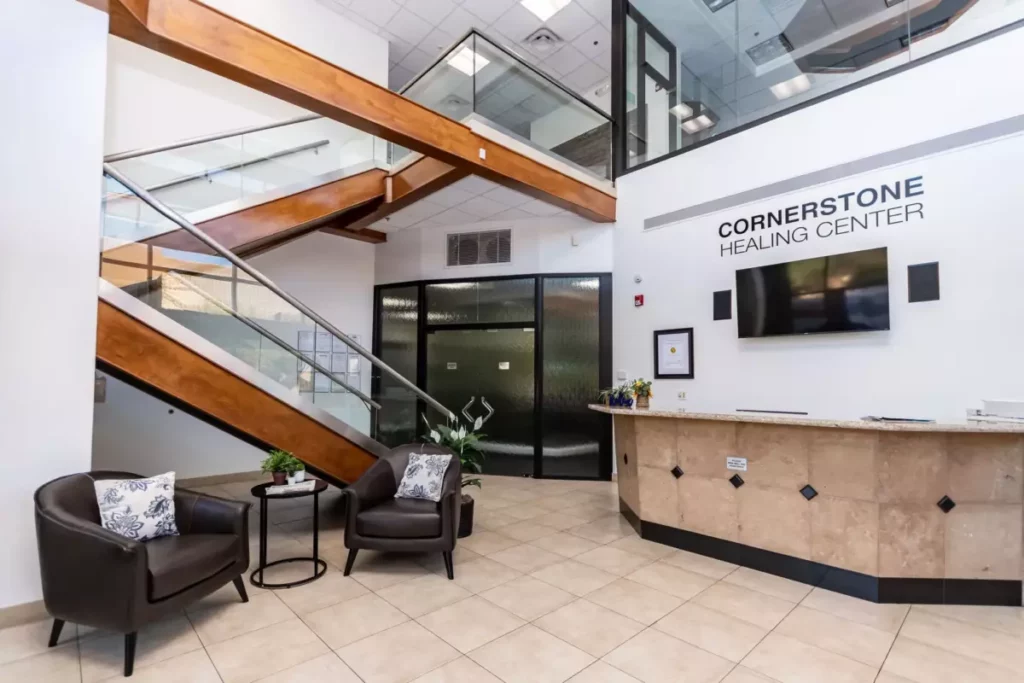
















Our PTSD treatment facility in Scottsdale is designed to provide a supportive space where clients can focus fully on healing and recovery. This center features welcoming living accommodations for clients staying in treatment, creating a safe and structured environment that feels both peaceful and restorative. Throughout the facility, clients have access to dedicated therapy rooms for individual and group counseling, along with inviting community spaces that encourage connection, support, and personal growth alongside peers in recovery.
In addition to our clinical spaces, the Scottsdale facility also includes wellness-focused amenities that support whole-person healing. Clients can take advantage of our on-site fitness center to build healthy routines and reduce stress through physical activity, as well as a pool area that offers a calming space for relaxation and reflection. Every part of our facility is designed to promote comfort, stability, and long-term well-being while clients work toward recovery from mental health and addiction challenges.
The Phoenix location is designed to give clients a stable, comfortable place to reset and grow without outside distractions. Our residential spaces provide a home-like environment where individuals can settle into treatment with the support and structure needed to begin healing. The facility also includes private therapy rooms and group meeting spaces where clients work closely with clinicians and peers to address mental health concerns, addiction, and the challenges that come with both.
Beyond treatment sessions, clients have access to shared community areas that encourage connection, conversation, and healthy daily routines throughout their stay. Whether participating in programming, spending time with peers, or taking time to reflect between sessions, clients are surrounded by an environment built to support personal growth, transformation, and long-term recovery. Get in touch with our team to learn more about our options for PTSD treatment in Phoenix.

Our Treatment Approach
Our Arizona Behavioral Health Center for trauma-related conditions is designed to provide a supportive and safe space so you can heal at your own pace.
Integrative Approach
Our integrative approach addresses the physical, mental, and emotional sides of recovery, with a deep understanding of your trauma and triggers.
Dedicated Clinical Team
Our team of dedicated specialists provide personalized, evidence-based treatment for trauma. We offer a confidential space to heal.
Comprehensive Care
Our trauma treatment programs provide continuous, caring support tailored to your unique needs. We’re here to walk alongside you.
Broad Treatment Options
From residential to virtual treatment programs, we offer flexible options, our treatment programs are designed to meet you wherever you are.
What to Expect
All of our programs are designed to promote long-term healing and personal growth. We use modalities rooted in science and take a collaborative approach to ensure clients always feel heard, supported, and cared for. Some of the treatment interventions and activities you may experience at our PTSD rehabs in Arizona include:
- An assessment to better understand symptoms, goals, and concerns.
- Evidence-based therapies include cognitive behavioral therapy, dialectical behavior therapy, and trauma-informed care.
- Holistic approaches include yoga, meditation, art therapy, and music therapy
- Nutrition counseling and physical fitness activities for overall health and wellness.
- Family involvement in the recovery process through Common Ground or family sessions.
- Support that continues long after you graduate from our programs.
Client Family Testimonial

The Connection Between PTSD and Substance Use
PTSD and substance use disorders can be closely connected, as many individuals turn to drugs or alcohol in an attempt to cope with the difficult symptoms that trauma can create. Flashbacks, anxiety, panic, nightmares, emotional numbness, and hypervigilance can become overwhelming without proper support, leading some people to self-medicate in order to temporarily escape emotional pain or feel a sense of relief. While substances may seem to help in the moment, they often intensify PTSD symptoms over time and create additional challenges that impact mental, emotional, and physical wellbeing.
When PTSD and substance use occur together, treating only one condition often leaves the other unresolved. Cornerstone offers integrated care that focuses on addressing both the trauma and the addiction at the same time. With the right support, individuals can begin to process traumatic experiences and develop healthier coping skills without relying on substances to manage emotional distress. Healing is possible when both conditions are understood and treated together in a safe, supportive environment. Get in touch with our team to learn more about our dual diagnosis treatment.
Meet Our Arizona Treatment Team
Meet our experienced masters-level treatment professionals passionately dedicated to providing compassionate, expert care in our state-of-the-art rehabilitation facilities and recovery centers in Scottsdale, AZ and Phoenix, AZ.
IOP Clinical Lead of Scottsdale
Lori Mischke, MSAC, LIAC
Lori Mischke, MSAC, LIAC, is a skilled clinical leader with over eight years of experience in behavioral health and substance use treatment. She holds a Master’s in Substance Abuse Counseling and is a board-certified clinical supervisor.
More About LoriClinical Director of Phoenix Program
Nate Bush, LCSW
Nate began his recovery journey in 2010 and earned a Master's in Social Work from ASU. He’s been in the Behavioral Health field since 2013. Specializing in CBT, DBT, and grief, Nate is now the Clinical Director of our Phoenix program, underlined by his passion for helping others who struggled with substance abuse issues as he did.
More About NateWhen is inpatient or residential treatment appropriate for PTSD?
Inpatient or residential treatment is considered when PTSD significantly disrupts daily functioning or poses a risk to the individual’s safety. This level of care benefits those with severe symptoms, offering a structured environment, intensive therapy, and continuous support.
Do you accept my insurance coverage?
Most likely, yes! Cornerstone accepts most major insurances. To be sure, you can fill out our commitment-free form to verify your coverage.
How can I support a loved one with PTSD?
Supporting a loved one with PTSD involves empathy, understanding, and patience. Encourage open communication and active listening without pushing them to share more than they are comfortable with. Encourage them to seek professional help and offer to be there for them through their treatment process. Educating yourself about PTSD can also be immensely helpful in providing the right support.
Let's begin the journey together
Frequently Asked Questions
Knowledge base
PTSD and Trauma Information











Get Started Now
Call and speak with one of our caring team members about help for you or a loved one.