

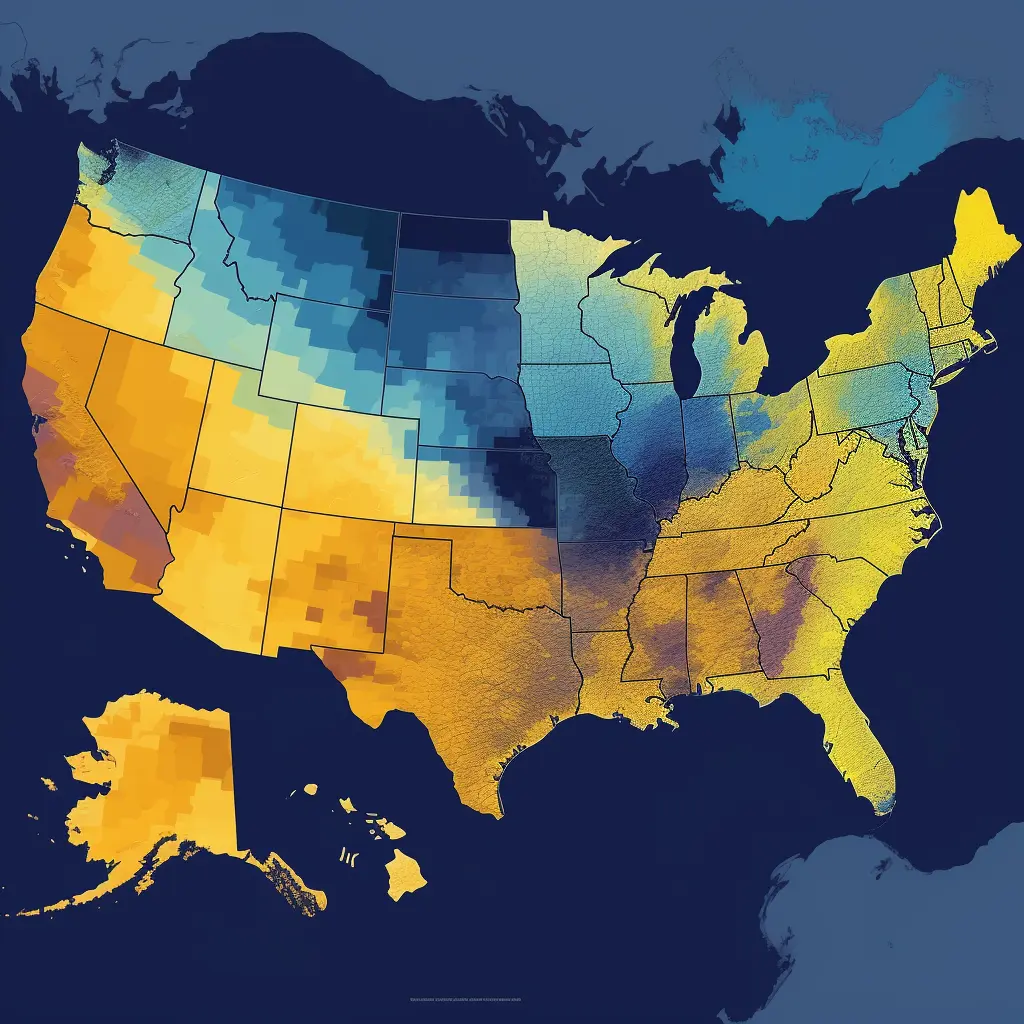
Drug addiction remains a serious public health crisis in the United States, even as it’s gotten less attention amid economic concerns like inflation and a struggling economy. The landscape of substance abuse has shifted significantly in recent years, shaped by the lingering effects of the COVID-19 pandemic, ongoing economic stress, and the rise of synthetic drugs like fentanyl.
Understanding the latest data is an important first step in recognizing the scope of the problem and the path forward.
Definition
Causes
Impact
Addiction is a chronic disease characterized by compulsive drug seeking and use despite negative consequences. It affects the brain’s reward, motivation and memory functions.
Addiction can be caused by a combination of genetic, environmental and psychological factors. Stress, trauma, mental health disorders and exposure to substance use at a young age can increase the risk.
The impact of addiction goes beyond the individual, it affects families, communities and society as a whole. It leads to health complications, economic burdens, crime, and unemployment rates.
Drug Abuse Statistics
New numbers show drug abuse is getting worse across the country and in every community. Overdose deaths have never been higher and opioids and synthetic drugs are major contributors to the rising numbers.
And the economic cost of substance abuse has never been higher, burdening healthcare systems, criminal justice and the workplaces.
Overdose Deaths
- Overdose Deaths Have Declined for Three Straight Years: According to the Centers for Disease Control and Prevention (CDC)¹, an estimated 69,973 Americans died from drug overdoses in 2025. This is a nearly 14% decrease from 2024, continuing a multi-year decline from the 2023 peak of over 105,000 deaths.¹ While this progress is encouraging, overdose remains one of the leading causes of death for Americans aged 18-44, and the crisis is far from over.
- Synthetic Opioids Remain the Leading Cause, Though Deaths Are Falling: Synthetic opioids, particularly fentanyl, are still involved in the majority of overdose deaths, but fentanyl-related deaths have declined significantly since 2023 as access to naloxone and treatment has expanded.²
Economic Cost of Substance Abuse
- $740+ Billion Annually: According to the National Institute on Drug Abuse (NIDA), substance abuse costs the U.S. more than $740 billion every year in healthcare expenses, lost productivity, and crime-related costs.³ Opioid use disorder alone has been estimated to cost the economy well over $1 trillion annually when accounting for the full scope of healthcare, criminal justice, and productivity losses.
- Healthcare System Overwhelmed: Increased hospitalizations and long term treatment are putting more strain on the healthcare system.
- Most People Who Need Treatment Don’t Get It: An estimated 54.2 million Americans aged 12 or older needed substance use disorder treatment in the past year, but only 12.8 million received it.⁴ That means roughly 3 in 4 people who need help for addiction are not getting it.
Get help for addiction at Cornerstone
Explore residential, outpatient, and virtual pathways to mental health recovery in Arizona.

Opioid Crisis Updates
The opioid crisis is still a national emergency and new challenges are emerging with potent synthetic opioids. Fentanyl and its analogs are much stronger than traditional opioids and are causing a surge in overdose deaths across the country. They are often mixed with other drugs making accidental overdoses more likely and complicating the efforts to combat the epidemic.
Fentanyl Threat
- Fentanyl Overdoses Soar: Fentanyl, a synthetic opioid 50-100 times more potent than morphine, is now the leading cause of overdose deaths.
- Illicit Manufacturing Makes it More Widespread: Illegally produced fentanyl is often mixed with other drugs making them more deadly.
Prescription Opioid Misuse
- Pain Medication Misuse Persists: Despite prescription regulations, NIDA5 says 10 million people misused prescription opioids in the past year.
- Mitigation Efforts: Prescription drug monitoring and increased access to treatment are the solutions.
Teen Substance Use Trends
The data on teen substance use has been on an encouraging trend over the last few years, though one trend is worth watching closely. According to the Monitoring the Future survey, funded by NIDA and conducted by the University of Michigan, teen substance use has remained at historic lows for five consecutive years.
- 91% of 8th graders, 82% of 10th graders, and 66% of 12th graders reported no use of marijuana, alcohol, or nicotine in the past year
- Cannabis use has remained stable, with 8% of 8th graders, 16% of 10th graders, and 26% of 12th graders reporting past-year use
- Nicotine vaping has also held steady, with 9% of 8th graders, 14% of 10th graders, and 20% of 12th graders reporting past-year use
- An estimated 1.63 million middle and high school students reported current e-cigarette use in 2024, according to the FDA and CDC’s National Youth Tobacco Survey, with more than 8 in 10 of those teens using flavored products
One important nuance: among teens who already use marijuana, vaping is becoming the more common method of use. A 2025 study in the Journal of Adolescent Health found that the share of teen marijuana users who vape it rose from roughly 50% to 65% across grades between 2021 and 2024, with flavored vaping solutions becoming increasingly common.
The bottom line: the number of teens using drugs, alcohol, or nicotine is declining and that trend has held for five years running. Among the smaller group who do use substances, vaping, and particularly flavored vaping, has become the dominant method, which keeps prevention and education efforts important even as overall numbers improve.
Alcohol Abuse Statistics
Alcohol is still the most used substance, with high use across all demographics. The pandemic has made alcohol abuse worse as stress and isolation have caused many to drink more.
Health professionals are concerned about the rise in alcohol related health issues from this trend.
Pandemic Drinking Habits
- Drinking has increased: A JAMA6 Network Open study found a 14% increase in drinking among adults during the pandemic.
- Binge Drinking has risen: Stress and isolation has led to more binge drinking episodes.
Alcohol Related Deaths
- Drunk Driving Deaths are Up: NHTSA7 says drunk driving deaths are up for the first time in years.
- Alcohol Poisoning is a Problem: Six people die daily from alcohol poisoning in the US, according to the CDC.
Methamphetamine and Stimulant Abuse
Meth is back and it’s a big problem for communities all over the country. Increased availability and potency is leading to more addiction and health problems.
This stimulant abuse is a big problem for public health and law enforcement everywhere.
Regional Meth Use
- More use in Rural Areas: DEA8 says meth use is higher in the Midwest and West.
- Limited Treatment Options: Rural areas have limited treatment facilities.
Polydrug Use
- Mixing Stimulants with Other Drugs: Users are combining meth with opioids which increases overdose risk.
- More Health Risks: Polydrug use can cause severe health complications and unpredictable effects.
Mental Health and Substance Abuse
The connection between mental health and addiction is more obvious than ever. More and more people are experiencing both at the same time and it’s making paths to recovery complicated.
Recovery often requires addressing mental health along with substance abuse.
Co-occurring Disorders
- Dual Diagnosis is prevalent: Many people have both mental health disorders and substance abuse, known as co-occurring disorders.
- Pandemic Effect: Increased anxiety, depression and trauma is leading to higher substance use.
Access to Treatment
- Barriers remain: Stigma, no insurance and limited resources are barriers to treatment.
- Efforts to increase access: Telehealth and policy changes to make treatment more accessible.
Frequently asked questions
How has the COVID-19 pandemic affected drug use?
What’s the state of the opioid crisis?
Are teens using more drugs now than before?
Quick Tip

Key Takeaways
- Key Takeaways
- Overdose deaths are up due to synthetic opioids like fentanyl.
- The pandemic has increased substance abuse and mental health issues.
- Teen drug use is up for vaping and marijuana.
- Mental health disorders are linked to substance abuse, we need to treat both.
- Early intervention is key.
Get Help Today
While overdose deaths have declined in recent years, addiction remains a serious public health crisis, and the vast majority of people who need treatment still aren’t getting it. If you or a loved one is struggling with substance use, we’re here to help. At Cornerstone Healing Center, we offer individualized, evidence-based addiction treatment programs designed to support lasting recovery.