Meet The Team
My name is George Miller. I'm the Virtual IOP program manager. At Cornerstone, I help with the operations end of the virtual program. I get to interact with clients as well and do some intakes here and there. I make sure everything runs as smoothly as it can, right?
The whole Virtual IOP team works remotely, so making sure communication stays on point is probably the biggest thing. We're not all facing each other every day. So I make sure everything keeps moving smoothly, handle client concerns, a little bit of everything, honestly, to help the Virtual IOP program run.
Virtual IOP is modeled after a traditional IOP that people do in person, right? But you can do it from home, from the safe space of sitting at home and logging onto a computer. For me, the biggest thing about the program is that it's accessible. It's accessible to everybody.
It's a realistic approach to getting treatment. You're still doing it in your own environment. You're not packing a bag and going away for 30, 60 or 90 days, you know what I mean? You go to group, you go to therapy, and then you go right back into real life.
That accessibility is for everybody, at any point of your recovery journey. Some people start their care in Virtual IOP. Some people have gone to residential, maybe a PHP, and then come into Virtual IOP as follow-up care.
You get three hours of group therapy at a time, three times a week. Each day includes psychoeducation and a process group, and there's individual therapy once a week as well.
Clients also get a service called wellness coaching. It's additional support while you're in the program, and it's a pretty organic part of it. You meet with your coach, usually once a week. The coaches help with shaping goals and check in on those goals every week. It's about meeting the client where they're at. It could be somebody whose depression is so bad they don't want to get out of bed and brush their teeth, all the way up to helping someone apply for jobs or move ahead in their career.
I would have to say it's the group camaraderie, right? That's something you can't necessarily advertise. A lot of people who come in are very hesitant to do groups at first, especially if they've never done them before. But I've noticed that after a couple of groups, clients start to look forward to going to group and seeing their peers.
It's easy to start feeling like you're all alone out there, like you're the only person in the world. Then, even though it's a virtual setting, you get in there and there are other group members who all have shared experiences. They're all going through something slightly different, but they're all going through something, right?
I think that's the coolest part: watching the hesitation and the anxiety about going into group, and then they actually go in and it's like, "Oh, this is the meat and potatoes of everything. It's pretty good."
There was a gentleman who didn't have any motivation to do anything, or even really to get out of bed, right? That's where he started. He was in the program about 90 days, and toward the end he was applying for jobs. Being around other clients who were struggling, watching how the group facilitators work and how the program works together, and seeing the growth in people inspired him.
He's completely different from the person I met on day one. That was literally the definition of not wanting to get out of bed, brush his teeth or take a shower, all the way up to going to interviews and getting out of the house. That was another thing: he was petrified to leave his home. We worked on that, baby steps, and it was the coolest thing to see.
Seeing the growth in the clients, and the growth in myself working in a field like this, with other people, is just the coolest thing in the world. I get to help alongside a lot of like-minded people. It comes back to that feeling that you're the only person in the world when you need help and you're struggling. I've been there myself quite a few times. Getting to work here, knowing I get to show up and be a part of that every day, is healthy for me too. It's therapeutic, right?
The care behind the story
Free, confidential and available 24/7. Our admissions team will verify your insurance and help you find the right program.
Meet The Team
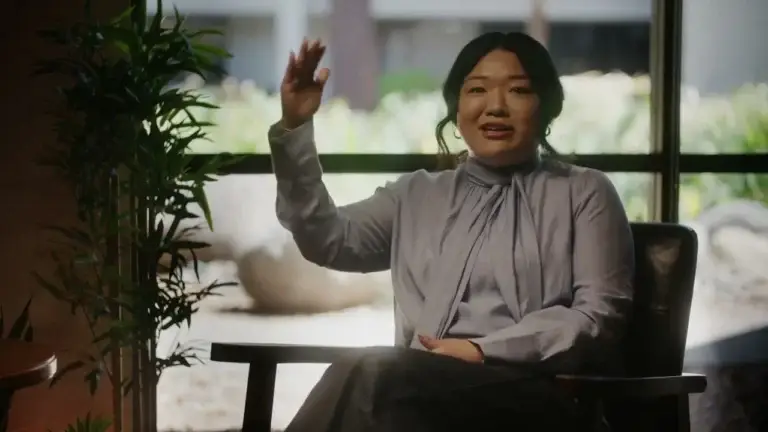
Dayna Kwon, Program Director at Cornerstone Phoenix West Valley, talks about accountability for everyone on the team and the purpose behind the work.
Struggle & Strive
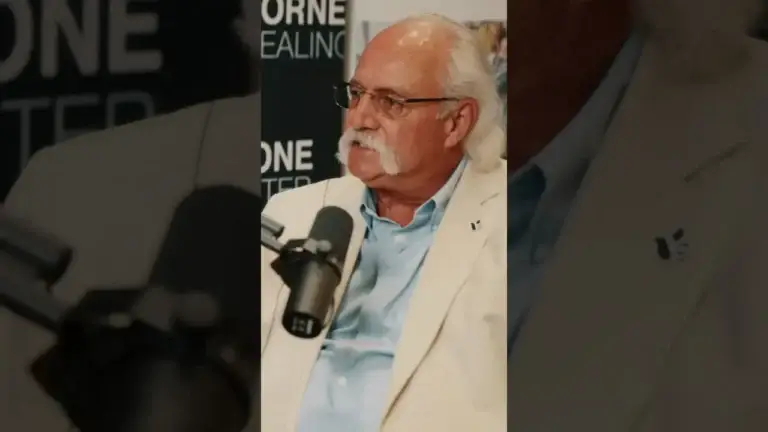
Robb Schuler, VP of Business Development at Recovery.com, talks with Estil Wallace about coming into recovery angry and against everything, the ideas he had to let go of, what the 12 Steps really ask of you, and why connection matters more than willpower.
Meet The Team
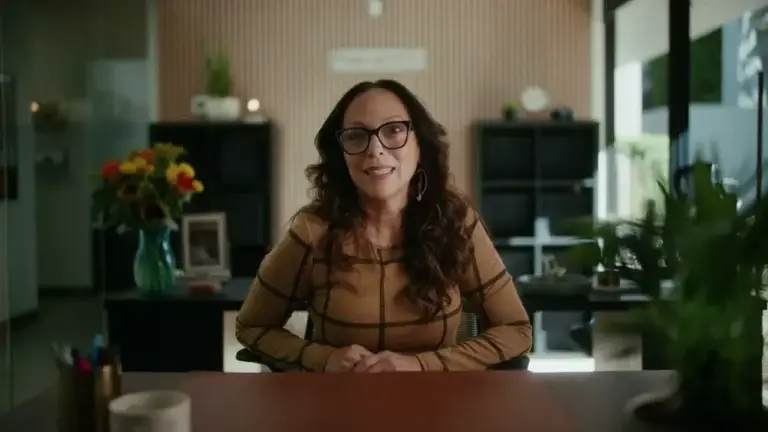
Gerry Rosa, Program Director for Residential Services, explains what residential treatment is, who it is for and why he does this work.
To provide the best experiences, we use technologies like cookies to store and/or access device information. Consenting to these technologies will allow us to process data such as browsing behavior or unique IDs on this site. Not consenting or withdrawing consent, may adversely affect certain features and functions.