Struggle & Strive
What would you tell someone who is in recovery but who isn't thriving yet, who's just surviving? What kind of a mindset shift do they need? Change one thing. Everything. Anything you think you should probably do just the opposite for a while. And it might sound silly, but it was really really the truth. Like I said, I had to unlearn. I had to sit down and ask myself better questions. For one thing is like why am I here? What like the question I asked when I wrote that book?
Like if I died tomorrow, what would I regret? What would I take into eternity that I would have, I should have, I could have? I don't believe that we're here just to suck up oxygen on this planet. I believe that everything in the universe has a purpose. Alcoholics and drug addicts especially are some of the most creative can do. Think about commitment. I really knew commitment. I risked my life, my money, my health, my family, my freedom, everything to get what I want. That is a transferable characteristic skill set that I could use to propel my life forward.
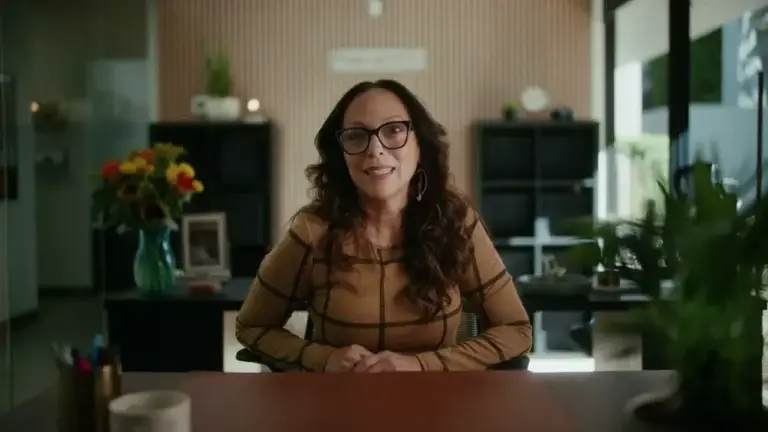
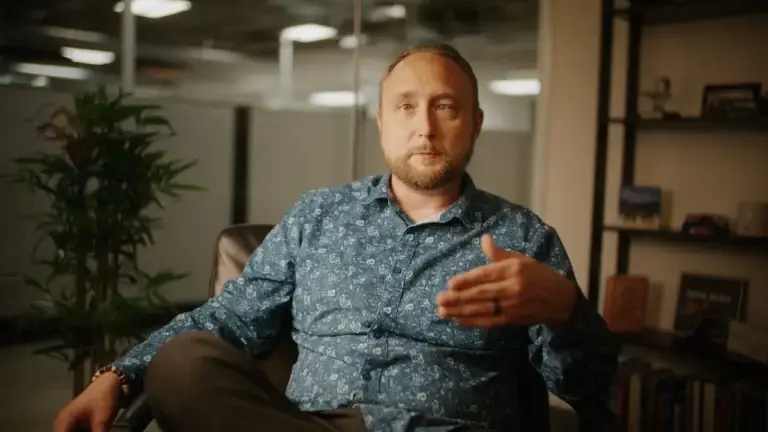
Welcome back to the Struggle and Strive podcast with Cornerstone Healing Center. My name is Esther Wallace. I am your host and today we have an epic story for you. I've got none other than best-selling author and entrepreneur, longtime recovery advocate, Brian Mallister. You're going to love today's episode. Did you say you grew up in New Jersey?
Yeah, I grew up about 10 10 minutes from the Lincoln Tunnel. When you look at you see the news at night and you see Manhattan skyline, that's that's where where I'm from. At what age were you when you found recovery? 30 a month before my 33rd birthday. I was and I started drinking a month before my 12th birthday. So, it was a good 20 year run. It's pretty long run.
Yeah. What was it that got you towards breaking point? What's what what's got you People say rock bottom, whatever, but what was what got you into recovery? Many rock bottoms, you know. It was just it was what became acceptable over an extended period of time. I I didn't even notice it. Just kind of crept through. I never thought I was going to live to be 30, you know. I mean, like a lot of people, I I I lived the life I I wound up I started totalling cars when I was 17. My first one was on High Street, which should have been a tip off, you know. And I started totaling cars and and and just living a living a life
like I didn't care. I was thrown out of a Catholic school at a young age, so I got a real bad rap on God and and and organized religion and everything. And I figured, you know what? I'm just going to do just what I want to do. And I did. So by the time I was 17, I was on my own. I was out in New River, Arizona. I landed on it. I I ran away basically from my lifestyle back there because everybody's on to me. The cops, the you know the school. I was the kid that you didn't want your your child to hang
around with. I was dealing. I was had everything going on. Everything I just felt like I do when I did. And I w up landing in in Phoenix in 1975. And I was just a kid. And you know, I ran away and I was like, "Okay." You know, within three weeks I found the exact same people that I had left in New Jersey. I moved in with two guys back from Vietnam. and they were older than me. So, they were they were really like my first sponsors, my first kind of
mentors. They they and they were they were way ahead of the curve. They were one guy was like 30, one guy was 26, I think. And, you know, we're flying in dope from Mexico. They had a bunch of porno stores they owned. They were doing illegal gambling. They had nine names on the mailbox. None of them was theirs.
You know, that whole lifestyle. Well, and as a kid, a young impressionable kid who was kind of lost. Not kind of definitely lost. This was exciting. You know, this was like, hey, I'm making money. I'm doing this and I'm I'm really rocking and rolling. Isn't life grand? You know, and of course, I didn't realize where I was going to end up. Didn't end up grand at all. No.
But, that's kind of how I wind up in Phoenix. Where and when did you sober up? Where did you find I sobered up in Jersey? I had I had lived out here and total I mentioned to you earlier I'm total my Harley and I broke my back. I I have plate screws and everything to this day in my legs. They amputate my leg. they flew me in from the desert from New River into Phoenix and it's a miracle because I I was out on a coke binge for a couple of
days, wrecked my bike. and back then there was nothing out there and No, New River 1975. Yeah, there was nothing, you know. saw a tourist from Minnesota pulled off on the frontage road to relieve himself and saw me down in a ditch in the bike. I was a coyote bait and he drove to the next phone which was miles up the road, pay phone, no cell phones back then.
Called up the cops, they came and flew me in. And you know that was the beginning. I they put me in the emergency room and it was crazy because you know I'm screaming and yelling. I'm I'm you know I'm an addict. I'm I'm been on a binge and I'm in shock. You know, I took 380 stitches in my head, traumatic brain injury, the whole nine yards. And you know, you have lived.
Yeah. Yeah. And I the next day I didn't think so, but but that day so I you know, they told me going to cut my leg off, you know. So, you know, f you know, the whole deal, screaming, yelling, and that was the first time in many, many years that I had asked God for help. I was like, "Oh my god, they're going to cut my all that atheist crap goes right out the window when you're laying in the hospital bed and they say, "We're going to cut your leg off." Would you have considered yourself atheist prior to this moment?
Yes. Yes. I probably was closer to an agnostic, but being expelled from a Catholic school for things that I didn't agree with and you know, the old turn of the cheek stuff I was taught and then soon as you screw up, I'm telling myself being victim, you know, like soon as you screw up, they throw you out and all this other crap. So I I got this attitude that I was just going to I was going to play my own higher power. We see how well that worked out, you know.
Yeah. But that's common. People so many people I've talked to, including myself, were turned away from or turned off from the whole concept of God and spirituality because of church hurt. Mhm. [ __ ] that happened when they were kids. Yeah. That where they were excluded or shunned. Mhm. And to a child that's that's that leaves a longl lasting mark. It was traumatic. Yeah. Really was.
It sure is. So like that's so that's but I yelled out that that day when they're going to cut your leg off. It was amazing how I forgot all about that atheist crap. Said, "God, please save me. They're going to cut my leg off." That's when a miracle started happening. My wife who I had the reason I was out on that binge is I was leaving my wife and my small son. I was by this time I was living in a cocaine psychosis. I was parking my Harley in the living room. I mean, I was somebody might steal it. I mean, I was just like out of my
mind. And she got to the point I had like a little two-year-old kid running around like, "You can't you can't be living like this. We can't do this anymore, you know." And I was like, you know, you knew what I was when you married me. And which of course was nonsense because it's a progressive terminal illness that we have, you know.
So, it was getting worse and worse and worse. So, I went out and I was taken off the day the day before I was leaving. and I already said my goodbyes is when I wrecked my bike. So, she wound up meeting me at she showed up at the hospital which was a miracle, you know, I'm leaving her, you know, and then after that she a doctor comes into the hospital who doesn't work there.
He's out of medical school for three weeks. He's going there to stop by to visit somebody else and he hears me, my commotion, me yelling and being a jerk and everything in there and he grabs my wife said, you know, what's the deal with this guy? And they she says, you know, like she told him, he said, " if you can get him transferred to my hospital, I'll see if I can save his life. I'll see if I can save his leg, you know." And that's what they did.
They they stabilized me for a week, put me in traction. You think you're a tough guy? Let me tell you, when they do that, you're not tough. You scream and you yell and you cry and everything else. And they sent me to his hospital. This man implanted a bunch of screws and plates and pins, which was at the time an experimental thing. They didn't do that back then. and he wind up saving my my leg. And it took me years to walk and years to do that. But like first thing I
did when I got out of the hospital is throw my when I got home and throw my crutches over the balcony railing and hopped to the bar. That's how much I needed to drink. You ride a motorcycle today? No, but I went up getting It's funny because I would have when I got sober I was building another bike and I said, "You know what? I'm going to do they guy told me you got to change one thing, Brian." I said, "What's that typical thing?" He said, "Everything." He said, "Whatever you think is the right thing,
do something different." So, I wound up moving out to the country in New Jersey and I bought some land and property and I got horses and I became, you know, it was the same kind of deal, but it was alive and it was quiet and it was peaceful, but it was the same kind of feeling. I used to get rid of my bike out in the desert, that kind of deal.
So, so things changed, you know what I mean? But it took me it took me six more years after that. You would think that'd be enough, but it was, you know, like totally a flesh wound, you know, that kind of deal. So, after six more years, I I was living on the street. I was I was a bum. I wasn't going home. My wife was done with me. And I woke up behind a body shop, an auto body shop in a place called Nutley, New Jersey. And and I walked out into the sun on August 2nd, that morning, and my whole world flashed before me. And I saw myself riding off
that bike, off the cliff. I saw my my all the horrific things that I had done and been for the last 20 years and it all just came before me and I remember crying out to God in the hospital that day and asking him to save my leg and I cried out again. I said, "Please, you know, so kill me or cure me moment." And that's when I wind up in my first and only detox that day, you know, and if I had had all that horrible stuff happen to me, I wouldn't had that to draw on.
So the worst thing that ever happened to me turned out to be the best thing that ever could happen to me. I just had to be willing to use it. So hard to see that in the moment. Yeah, that's it. But it happened, you know, and here I sit 35 years later. Congratulations on having a great life now. Yeah. And all the and 35 good years. Yeah.
What were some of the deeper personal and spiritual changes that started to happen for you in the first few years? At first, like I heard all that pink cloud stuff you hear. I I I didn't have any of it. I hated everybody. I was angry. I was angry at myself. I was angry at everything. But I I didn't want to drink anymore. I didn't know if I could pull it off or not. The funny thing is I w up going through a low low-end treatment and detox place and I stayed.
And what got me was that it was the first time in my life since I was 12 years old, I didn't drink for a whole month. And I started asking myself better questions and like why does this happen to me? How come I have such bad luck? All that garbage. I says, "How did I stay not drink for a month?" And it came back to me by listening to somebody who already knew how to accomplish what I was trying to accomplish. So I did what they did and I got what they got.
When I left, they told me go to go to a meeting today. So I went to a meeting and that's what I did. And again, I hated everybody there. It was a real it was a it was a zoo. The place was not a high-end place where I was at. And it was great, but it was perfect. You could chain smoke. You could swear. all the stuff they don't let you do now. But it was good for me because it allowed me to get in the door. It's like a halfway house. It was actually a club.
That's cool. I got I got sober in a central Phoenix halfway house. It was in the hood. You could smoke still meetings and all that stuff. That's it. And and you know, so it was good like and I like that was it it opens the door for more people. I was a lot of that changed, you know. I I no longer live like that. I don't smoke, but I had to get my foot in the door and allow me to stay. So I really thought that was important.
So it was it I learned through spirituality by the same way I learned how to stay sober by listening to other people. I started listening to what they thought because I had my religion of my youth, my Catholicism, you know, confused with God with spirituality. It was all mushed up and and it didn't work for me. So, I being able to develop a God in my understanding really worked for me. I mean, it's besides my sobriety and my my, you know, my relationship with a higher power is is the most beautiful thing I've been given in this life. That's amazing.
It's incredible. Has it gone You came from Catholic roots. Have you gone back to church at all? I'm in I'm in a 12step higher power realm. I don't I was never a joiner, you know? I mean, I even when I rode and stuff, I I worked at I worked for Harley in Glendale for for a while. like people would ask me, "Oh, you want to come ride?" And I never wanted to be with anybody. I was always in individual. You know, it's funny. I looked up that word individual and I used to think, you know, meant separate from everybody actually means part of the whole,
you know, the original meaning of the word individual back in Latin and it's like I never wanted to be part of the whole. I was always an I kind of guy, you know what I mean? And I had to hit bottom and I've hit several. Even in in recovery, there's been some tough times.
Has been all easy. But the idea is I need other people. I need to be part of the solution. And I learn from other people. I mean, my experience with recovery is that recovery fellowships around the world are much like church in their own way. Yeah. And similar tenants, fellowship, people helping each other, people spending time together, common goals, spirituality sort of at the core, being a good person, non-judgmental. Yeah, we welcome all.
Yeah. Very different from the church where I came from. Yes, exactly. Very different from the church I grew up in. You know, we we invite we everybody's open. No, nobody's too banged up to not be welcome. That's right. You know, every sinner has a future and every saint a past. That's I like it. Well, let's talk about entrepreneurship.
were you always entrepreneurial? Well, I said, "How do you pay for your your your habit? You got to be pretty entrepreneurial, right?" So, I was that guy. I was the guy in school. I was the guy I was never afraid to work. I always wor Nobody ever Nobody ever complained about a day's work for me.
They really don't, you know, I I had low expectations. I'm from a blueco collar family. my father was from an orphanage. He was graduated, you know, freshman year high school. He was a hard worker. My mother worked. So it was that kind of deal. So I was started working on unloading trucks on down in the docks in the New Jersey dumps like when I was 15 years old. So like I I like to have money in my pocket and there was guys there who were all getting high and I was a young kid getting high. So I was buying from them. So soon I realized I should be selling to them. Why should I be buying from them? Yeah.
And that's kind of how my life went. And when I got sober, I I took I took I took the natural gifts that God gave me and instead and and and a person in recovery taught me that. He said, "Brian, I I started working. I was trying to I was trying to get my family back. My wife, I was working two full-time jobs. I'm working 80 hours a week. So, I'm either at work or I'm at a meter or at home trying to save my marriage. And I couldn't keep it up. I did it for almost two years. And I said, "I can't continue this. I'm done." He goes, "Well, I've been waiting for you to to ask me." And I said, "Well, ask me
what?" He goes, "I've been looking at you." He goes, "Like," he goes, "you walk in a room within five seconds, you're like, I can trust him. He looks a little shifty in the corner. I better keep my eye on on a girl behind me." He goes, "They don't teach that in Harvard Business School." He goes, "That's what kept you alive. That's a gift from God that you had that kind of intuitive feeling about situations and people." He says, "If you take that skill and you combine it with the moral and ethical
values needed to stay sober, those could be no stopping you." And that's exactly what I did. And you know, I've I've had a life that I I w up I w up running the Mid-Atlantic division for the Home Depot. You know what I mean? Likeund five stores. I'm a guy who and within five years I was unloading trucks for them. When I got out of treatment, I begged for a job, you know, kind of deal. And the deal is I learned to use my skill sets rather than drive me into the gutter. I you I use them to push me
up the mountain. that idea of of who who to help, who to ask for help, how how to everything I learned in recovery is really what it was. And from there, I started my own businesses. I learned from them. They taught me what it's like to be a real businessman, how to how to deal with people, how to how to make a profit, how to keep books, all these things. It's it's been quite an adventure. I've had several really incredible entrepreneurial experiences.
And I'm just say I'm the most blessed guy in the world. Nobody's got it better than me. What was your first business when you struck out on your own? When I struck out on my own, it was real brief. I I left the depot and I started a maintenance company, just doing building maintenance, hired a bunch of people to do this stuff. And from there, I started, it was just before the big real estate boom, like in the 90s, and I started buying houses. I started buying houses and flipping them.
So then I'm flipping houses, and all these people are seeing, I have these crews in there working. They're like, "Well, hey, can you do my house?" And now I wind up becoming a builder. All of a sudden, I have a builder's license. I got a crew. Now, you know, this one thing leading to another and just being open where God wants me to go and lead.
So, this all starts happening. And then in 2007, 2008 when everything collapsed, the economy. So, here I am now. I have I mean, I'm really long. I mean, I got millions of dollars of money out there. I got all this. And I'm laughing, but you know, like I'm I'm a street guy, you know what I mean? And I don't have a degree in anything. You know, I got friend of mine told me, you got a degree and screw you. You know, that's where your degree came from. And you know, all a sudden everything collapsed and I got
all this debt and all the houses I own like I was lucky I only only owned several that were left that I owed more on than they were worth. So like I I started laughing. I'm like, well, what am I going to do now? you know, I I didn't drink my money away. I didn't, you know, but I'm still in the same position. Yeah. So, I I wound up praying about it.
Instead of instead of crying and whining, I was watching stock ticker go down on the TV. All my investments going south and I decided I got a call, my sister died of a drug overdose. Then I get a call, a friend of mine who was in business with me relapsed and died. And I was like, well, what would I be regretting if I relapsed or if I died?
What would I what would I take into eternity that I wish I would have done? And and I wish I would tell somebody how how I pulled it off. So, I wrote my first book. I walked out into my barn with my horses, stepped out of my office, and wrote a line on a piece of paper and that turned into my first book.
And for all the listeners and viewers, what's the title of that book? Full Recovery. Full Recovery. Yeah. And there's three Full Recovery books. They all have a different subtitle. The last one is about personal empowerment and and it's all it it's just not how to how to have a how to get sober. It's how to have a great life. You know, how how to take what God put into you and turn it into reality.
how to figure it out, what's been holding you back, how to get motivated, and then really how to take the next step, how to get appointments, how to keep yourself motiv, goal setting, goal setting, goal setting, and then goal achieving, you know, like all these types of things. Yeah, those are the big questions for guys. And I can't speak for women so much, but men, I'm Yeah.
You know, so many men get sober and they don't know what they don't know. And the big questions are, what am I going to do now? Yeah. I'm not going to have any fun. Okay, that sucks. So, what am I supposed to do? How am I supposed to get ahead in life? And they don't they don't see yet or feel yet that sense of purpose, but it's coming.
That's it. And the coming for them. And that's the truth. You know, like the tagline on the back of the one book was, "So, you're sober. What's next?" Yeah. You know what I mean? That's it. So, what are you going to do? Because if you can't figure out how to overcome financial scarcity, if you can't get your family life together, if you can't get your spiritual life together, it's difficult to stay the course. you know, you get I've I've you know, I've been around so many people over the years that, you know, they figured, well, I I
I I started getting sober, things are great, but I my life still stinks, so why am I even bothering, you know? And the people that helped me get sober were really good people. But I looked around the room, I'm like, I don't want what they have. You know what I mean? I I want more. I'm an addict. I have that more gene.
So, how am I going to direct that constructively to help somebody else? Well, and like you already touched on, that's all God-given. God's tugging at your conscience. God's directing you. He's trying to lead you to better to greener pastures. And that's the thing, too, like a lot of these books is how to overcome fear.
Fear, you know, like, you know, I I see people all the time, it's like fear of change, fear of failure, fear of success, fear loss you have, fear there's not enough to go around. But the idea is most people I find are afraid of success. That's why you have that self-sabotage gene that we know when things start going right. In the beginning, it was very difficult to overcome that because things would be going good and I'd start making decisions or treating people harshly that didn't deserve it that would turn situations and people against me. You know what I mean? And I didn't even realize I was doing it was a subconscious thing.
Yeah. It's like a smelly old shoe. It fits perfect. It does. Exactly. And like so I really to this day I have to keep an eye on that because that's also something that was a habit. You know, I had a lot of habits not just drug and alcohol. all, you know, the way I thought, the way I acted, what I thought was right or wrong, what life was about, take what you need today. You know what I mean?
Now I find if I want more, I give more. If I want less, I take more. You know, so things really kind of changed around for me. And u I've got the greatest life in the world. I really do. I you know, all all the things that have happened, ups and downs, I I couldn't I couldn't have written a script like this.
It's amazing. It's how I feel about my life. That's, you know, that's the promise that you get from the 12step world, from God. Absolutely. From the people that you meet in recovery. That's the promise. And it's so hard for someone who's newly sober to hear a guy like you share what you've just shared and deny that it's true.
It's hard to bridge the gap for myself, but then it's hard it's hard to deny what you just said. It's too real. You know, too many details. It's too authentic. And I think that's what gets people over that hump to get into recovery. It doesn't seem like it could be mine, but God, this guy in front of me, and that's the deal, you know, and I'll tell you, part of the thing was when I when I got that job originally out of treatment at the Home Depot, you know, it was the first back then there was 20 stores in the country. There's thousands now.
And you know, the I'm sitting there and I'm looking around at these people making a lot of money, the bosses and all this stuff. And I'm thinking, man, it was a time I had this guy in my back pocket, you know what I mean? Like, and he's telling me how much money I'm going to earn and when I'm going to work and how my family's going to live and all this stuff. I'm like, I got to be smarter than this. You know, God gave me different. So, same deal. I was looking at people and and that intuitive sense that we have and and that's what I did.
So, rather than try to undermine people, I went to the guy who was above me, the lead man, and I said, "Listen, I want to get ahead here." I said, "This company looks like it's going someplace. How could we make a deal? You teach me what you know." I said, "I'll do everything I can to get you promoted. I'll push you up the ranks." And you go to your boss and you ask him the same thing. And that's what we did. And he got promoted.
And he pulled me up. And I push him up and he pulled me behind him till he got to the point where he didn't want to go any higher. He's getting scared. Air's a little thin up here. You know what I mean? But I'm an addict. Like, hey, give me give me more. Right. And and that's how it went. And I wound up, you know, becoming within a year I was a store manager at 250 people. 250 people responsible for doing a million a week in sales. Within five years, I was running a whole division. You know what I mean? And and the thing is, and I'm not saying that to impress anybody, but
to impress upon them that I am just I'm just a regular guy. I am just a regular addict, a regular alcoholic who used the gifts that God gave me that I was misusing to drive myself into the gutter to point him in a more positive direction. And God puts gifts inside of all of us, right? So So what you what you're describing is really really solid life advice.
I mean, everybody has God-given gifts and talents and we just need to nurture those and and work hard. Obviously work hard work is part of it but that I mean God wants to push us and lead not push us lead us to to better places. We just got to let him. Absolutely. And like the like the books I've written and the software that I have that's all it's about. It's it's really asking everybody the right questions. We ask better questions you get better answers. Better answers produce better results. I used to look at things like money was first. It's
really not first. You know, like the thing is when I do what I'm what I do, what comes naturally to me, when I do something that's in my wheelhouse that makes me feel good about being Brian, all a sudden, you know what I mean? I do it well. When I do something well, then the money follows, not the other way around. And I feel good about being myself, you know? So, it's it's really I did everything I learned. I had to do a lot of unlearning. How's that? In in recovery, I unlearned a lot of things. I was told a lot of things by people who loved me and it was bad
advice and it was probably the same bad advice that somebody gave them and they're just passing it through to me. It wasn't anything intentional. Yeah. I couldn't I couldn't possibly agree more. I mean so my life is similarly well-intentioned people that had my best interest in mind passed on bad information. Yep. And it's profound that you were able to see past that and to not hold that against them. I mean, maybe he did it one time, but to to not hold that against them and and look for the opportunities that God wants wants for you.
And you never know who you're going to impact. You know, you you know that you're and just what you do for a living. I got a call from my dad. He was 66 years old. I'm 68 now, but he's 66 years old, and he had just gotten his second DUI, and he was drinking himself to death. He was on his way out, you know, and he asked me, he says, "You seem reasonably happy. What are you doing?" I said, "Do you know what I've been doing?" You know, like, and we were we used to drink together. We used to, you know, he was my dad, you know, and I took him where I went. He did the
same thing. He lived to be 91, died sober. God wins again. You better believe it. So, you don't know who you're going to impact, you know, along the way. My whole deal is I want to know that I'm being the best representative of what recovery is all about to whomever I meet on the street.
And a lot of people find something they like to do their whole life that they're so juiced about that they keep doing it. I'm like a real type A guy. I go in a lot of different directions. And like now somebody would have told me that I'd have a software business on mental health. I mean it would be like are you kidding me? Like I hate the computer. I don't even like using the damn thing.
But it's just the way God has led me down these paths and I just have to be courageous enough to say yes. Okay. So tell me about the software. What is it? How does it work? It's We started We started out because you know, I had a treatment center. I told you it's closed now, but because I closed it really just to devote all my time to the software. there was people that would come in that, you know, we would comp a lot of people.
They didn't have insurance. They're in bad way. I know. I was there. I'm one of them. And you know, you can only do that so long. You know, there's doctors and psychiatrist. Everybody's got to get paid. So, you got to keep the doors open. So we started with just doing some video and and and putting some stuff in an app and and trying to get some information that we can give people when they came in so they they they would have some type of direction as as to how to get sober. So, we started out we had started out we had less than
less than 30 videos and a couple of little tool suite of of stuff to stay sober, anti- relapse type tools. And now we're up to 650 videos and hundreds of different exercises, a 365 day program. And it's like having a sponsor or or counselor or recovery coach in your pocket 24 hours a day.
Because I don't know about you, but like, you know, I was okay when I was sitting in that AA meeting in the beginning when I was trying to get sober, you know, but there was tw 23 other hours in a day, right? My head was squirreling around. So, this is like having right in your pocket. And my sister died because she went to a She was homeless. She got to that point. She was homeless for years. Very sorry.
Yeah. And she I loved her. She's my sister. You know what I mean? And she w up showing up at a at a detox in a really bad area. and she sat there for nine hours waiting to get in and nobody talked to her, you know, in the hospital and eventually she walked out the door and that was the end of her. She overdosed. So something like with the software is you can get on it immediately within 10 seconds you're in you're in the damn thing. And so you have some type of a a way of getting engaged with recovery. And it's just not about how to not drink. It's how to have
a life. It's how to find a job. It's how to, you know, be a better father, a better man. And what is the name? Is it my mental health? Yeah, my mentalhealth.org. That's that's our second one. We started out with we still have it. It's called freedom 365. It's it's a virtual recovery system and we gave that to everybody in our treatment center so that they had something, you know, when they left another tool in the back. Yeah. Exactly. It doesn't replace treatment. Doesn't It's just another tool. And so then it went from that to
like benefits companies, insurance companies wanted it. They, you know, was like they just dropped 30, 50, 100 grand, whatever they spent, you know, to send somebody to treatment. They want to make sure that, you know, they've got something on them they could use. And, you know, depending on the business, there's, you know, there's even there's a back end. You could, it's completely private and anonymous, but if you're in a business situation, if somebody's paying you to do this, you want to keep your job, they could say they could tell that you're using it.
You know what I mean? So that kind of deal. So that was all great, but again there was not enough people who had work that were coming in the door. So we I said, "Okay, let's try something else." Now we go my mentalhealth.org. it's my mental health, Inc. is the company. And we can give somebody a 365day 24-hour a day program like nothing else you've ever seen for literally 78 cents a day. And it just keeps getting bigger and bigger and bigger. And treatment centers use it, you know. Now, do we go to the site or do we go to the app store? Where do we find it? You can go Yeah, you can go to the site.
You can go to mymentntalhealth.org and, it is on the app store, too. But most 99% of the stuff goes right to the site. Beautiful. And it's it's it's it's pretty cool. And it the whole deal is we just want to give more people better information for less money to hopefully keep them sober.
Yeah. Stay alive long enough to enjoy life. 100%. The more tools the better. Yeah. And with the advancements we've made in technology, I mean, so much has moved towards mobile devices and easy access to information. I love that there's more recovery stuff accessible via mobile phones. So, I really applaud what you're doing. Yeah, it's it's cool.
When did you when did you launch the app? my mental health is about about a year and a half ago. The other one was four years ago, the the commercial version. And it's funny how it all started. I wound up getting out of the the, you know, I wrote the books and then somebody it's it's just it's again it's the way God works. Somebody from Universal Studios was a director called me up says, "Hey, I just read your book.
I really like it. You know, I got seven years sober and I don't like what I'm doing. I really want to change my life." He goes, "Would you take me through this program?" I'm like, "Sure, but I'm in Jersey. He's in California. I'm like, "What am I going to do?" You know, I can't put him in the Holiday Inn for a couple of months to take him through this. So, I started praying on it, you know, and all a sudden within a week, somebody I'd done a lot of real estate business with said, "Hey, Brian, I know
you're not looking for any more properties right now, but I know this guy. He's a a real estate an insurance executive, and he's got a 100 acre estate out in in the mountains in New Jersey, he says. And you know, I know his wife is going to divorce him if he doesn't move her back to Manhattan, like Green Acres type of deal. And he said he says, "Would you be interested?" I said, "Let me talk to him." One, the guy did a deal with me. He gave me no money down.
I I I floated the whole thing and that was our h first halfway house. From the halfway house, we opened up a treatment center in another town and we now just like the Florida model took people there. From there went to the software. It's like it's just it's just being willing to go where God's gonna going to take you, you know, 100%. What a wild ride.
Yeah. from the humble beginnings near-death experience on a motorcycle. Yeah, your wife deserves a medal. She's the best. My my friends all say she's up for saintthood. You know, she's not an alcoholic or an addict either. when did you move to New Mexico? Yeah, New Mexico. When did you move there? during co I had a vacation home there. Like that's funny, right? Okay, here I'm living on my little ranch in New Jersey and I got a vacation home, you know, out there out out in the desert, this spectacular place, like a Santa Fe type Pueblo like home. Like,
you know, it's it's it's it's a miracle, you know, and I believe in miracles. That's why I get to live a miraculous life, you know. I feel sorry for anyone who doesn't Yeah. who doesn't believe in miracles. Yeah. Your life is a testimony of that. If you were talking directly to young men listening right now, yeah, guys that are lost, feeling lost, whether they're using or drinking or trying to quit or what should they do?
Number one is find somebody who you respect who already knows how to accomplish what you're trying to accomplish. I mean, the libraries are full of of of wisdom. You know, there's all types of spiritual traditions that you do. There's there's the guy living down the block. And ask them, humble yourself and ask them, "How you going to do this? How do I I I'm not happy. I that's what I did. I did it at work. I did it in in the program and they gave me a lead and I didn't take all the advice I was given. You know what I mean? I waited out and did it. But the
idea is it saves a lot of time and energy and a lot of mistakes if somebody already knows how to how to go down the road you want to go. And then when you outgrow them, then you go to the next guy. And I would find myself some type, I'll share my own experience. I had a gentleman, the same guy, he told me about about the intuitive sense that I had about people and I should use it in business and start start get out of unloading trucks and start doing something, you know. And he said he says, you know, Brian, you know, you got to stop, you know, this atheist godless
I had I lived a godless life. I got godless results. Let me just put it that way. I'm going to borrow that. Okay, go ahead. You know, and that's a fact, you know. And he he says, "Go home tonight and just get on your effing knees and just ask whatever is out there. Humble yourself and say, you know, you're not keeping your heart beating. You're not keeping your skin cells dividing. You're not keeping your your pancreas producing glucose.
Something's bigger than you out there." And ask this power, whatever that power is, to help you, to guide you. the same thing that saved your leg that night in the hospital. And I did. And I I I became willing to do what was ever asked of me. And don't believe somebody when they say you can't. They told me when it's I'm an addict. I'm an alcoholic. Defiance is my my go-to. You know what I mean? The best thing you could do for rebellion is the default. Yeah. Tell me that I can't do something.
You know what I mean? It's like I'm I'm all in. You know, so if they told me I couldn't write a book, I went right out and started writing a book. They, you know, will never get it published. It got published. It went number one. You know what I mean? Like on Amazon for for a hot second, but it did it, you know?
So, like all these things, you can't afford to invest that kind of money in in real estate. You can't be the store manager. You don't have a college degree. You know nothing about retail. You know, don't ever let anybody else tell you what you can accomplish. You know, God has a purpose for all of us.
you know, and when I fulfill that purpose, when I go with the flow, good things happen. And just because I failed, and I don't even use that word fail, you know, I didn't get a a result that I wanted like like a scientist, right? They they do experiments all the time. Sometimes they get the result they want. Sometimes I get something different and if they get something different, you know, that's they learn something. So, how can that be a failure, you know? So, this this is the way I talk to myself.
It's really powerful. I mean, you've talked about Not just abstinence, not just sobering up, but building a miraculous and epic life. Should make a movie out of your life. What would you tell someone who is in recovery but who isn't thriving yet, who's just surviving, what kind of a mindset shift, mindset shift do they need?
Like the guy told me, change one thing. Everything. He told me don't anything you think you should probably do just the opposite for a while. And it might sound silly but it was really really the truth. Like I said I had to unlearn. I had to sit down and ask myself better questions instead. I I was asking myself like for one thing is like why am I here? What like the question I asked when I wrote that book like if I died tomorrow what would I regret? What what what what would I take into eternity
that I would have I should have? I could have. You know, I I don't believe that we're here just to suck up oxygen on this planet. I believe that everything in in in the world, everything in the universe has a purpose, you know, and I believe that alcoholics and drug addicts especially are some of the most creative can do. Think about commitment, right? I really knew commitment. I risked my life, my money, my health, my family, my freedom, everything to get what I want.
that is a transferable characteristic skill set that I could use to propel my life forward, you know, and I used that. I used what God gave me. I figured it was put into me for a higher purpose than what I was using. So that's what I would tell people like go out there. Don't accept it. You know, we're in the wealth the richest country in the greatest place that's ever been in the history of mankind and people are crawling around on all fours crying about what's going to happen. go out and take it. You know, I don't know about
you, but when I wanted what I wanted, I would have went through anything to get it. It's one of the It's one of my only I've only got a couple of really solid god-given gifts. One of them is tenacity. The other is the ability to speak uninterrupted for long periods. That's good. Well, Brian, it has been an absolute pleasure to have you on here. Before we go, if people want to learn more about your work, if they want to get in touch with my mental health or any of your books, where should they go?
You can go to Amazon and buy any of my books and you go to my mental health.org and you can download our our our software really. And here's something else too like it's it's another thing that we're talking about just showing up, suiting up, looking alert. We've been doing this thing with my mental health now for a little over a year. And we got a call maybe I don't know 3 months ago, four months ago from a company called betterhelp.com. They're the biggest, you know, provider in the world. They said, "We were really blown away by what you guys are doing here. So you know what?
Yeah, I know you're trying to get good information out there. Anybody who signs up for your program, we're going to give them four free therapy sessions, 100% free through betterhelp.com." So I mean like it just keeps rolling forward. You know what I mean? And I didn't look at them just like the doctor who walked in to save my leg. God sends people.
There's no coincidences, you know? It's just God being anonymous. I just got to keep my eyes open and alert. You know what I mean? I love that. It's God in a hat and glasses. Yeah. Exactly. Exactly, man. So So that's it. Go to Amazon, look up Brian Mallister Full Recovery. It's got three books. Yep.
And go to my mentalhealth.org. Get into the software, download, participate. You have a whole new tool for your toolkit. Brian, thank you so much for coming out. Thank you for having me, man. Hey, hey, hey.
The care behind the story
Free, confidential and available 24/7. Our admissions team will verify your insurance and help you find the right program.
Meet The Team
Gerry Rosa, Program Director for Residential Services, explains what residential treatment is, who it is for and why he does this work.
Recovery Story
Clinical Director Nate Bush talks about his path from heroin addiction to leading Cornerstone's clinical team.
Brand
A short introduction to Cornerstone Healing Center: the people, places and programs behind our addiction and mental health treatment in Phoenix, Scottsdale and across Arizona.
To provide the best experiences, we use technologies like cookies to store and/or access device information. Consenting to these technologies will allow us to process data such as browsing behavior or unique IDs on this site. Not consenting or withdrawing consent, may adversely affect certain features and functions.