
For most of my life, I believed my story was already written. I thought I’d die the way the world labeled me, just another ‘junkie’. I wore that label like it was part of me: unfixable, unworthy, beyond saving.
But that wasn’t the truth.
My name is Kirsten, and this is my addiction recovery story — how silence and trauma shaped my life, how addiction nearly ended it, and how Cornerstone Healing Center helped me rebuild everything I’d lost.
This isn’t a fairytale. It’s messy, painful, and real. And if you think you’re too far gone, I promise, you’re not.
The Early Wounds That Led to Addiction
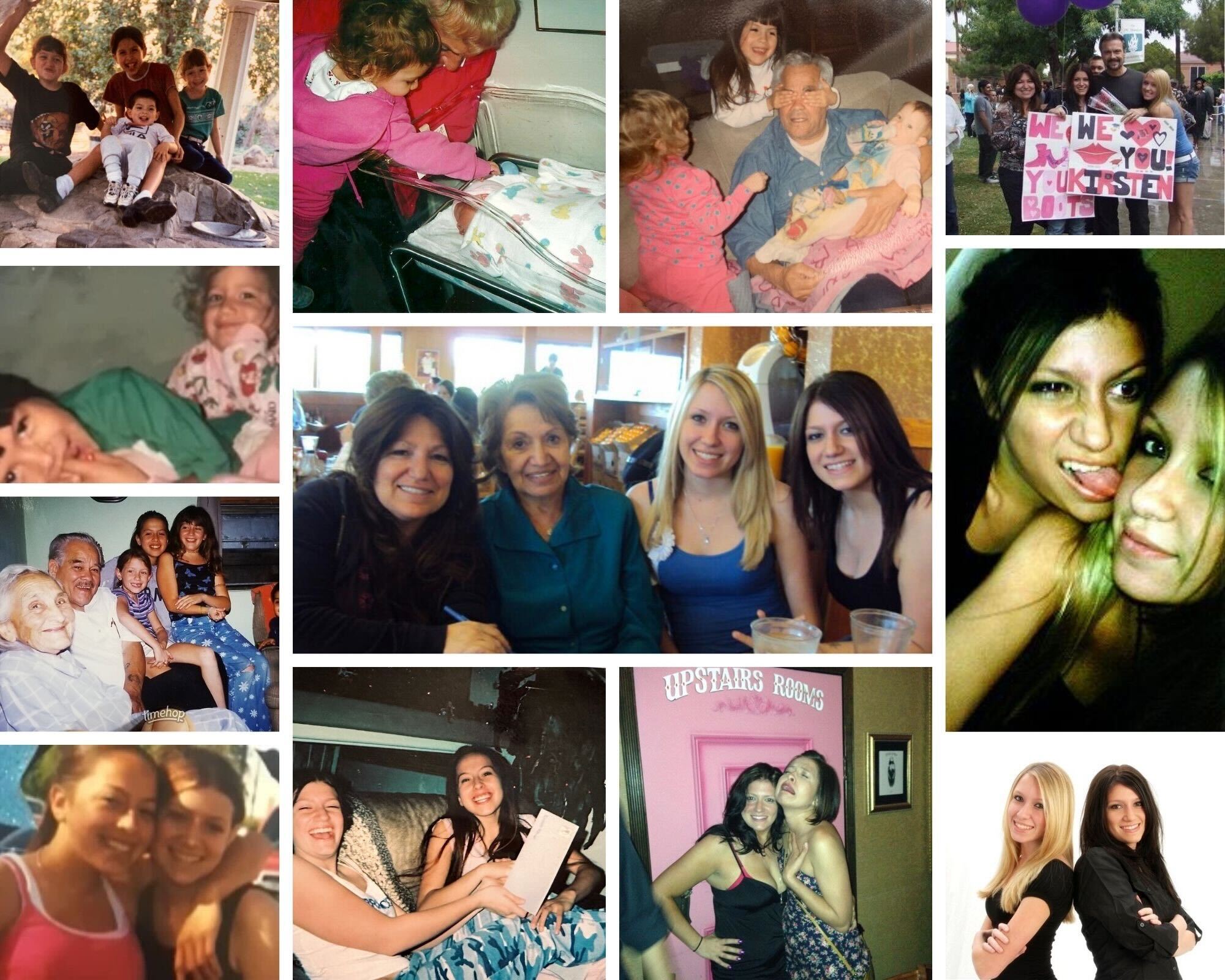
Addiction didn’t happen overnight. It built slowly from unspoken pain, unhealthy relationships, and choices that kept pulling me deeper. Before Cornerstone, my life was marked by trauma, chaos, and a constant search for escape. But the chaos didn’t start with me — it started long before I was born. My pain had roots I didn’t understand for most of my life. To really heal, I had to trace it back to where the silence began.
How Generational Silence & Trauma Shaped My Addiction
My story didn’t start with drugs. It started with silence.
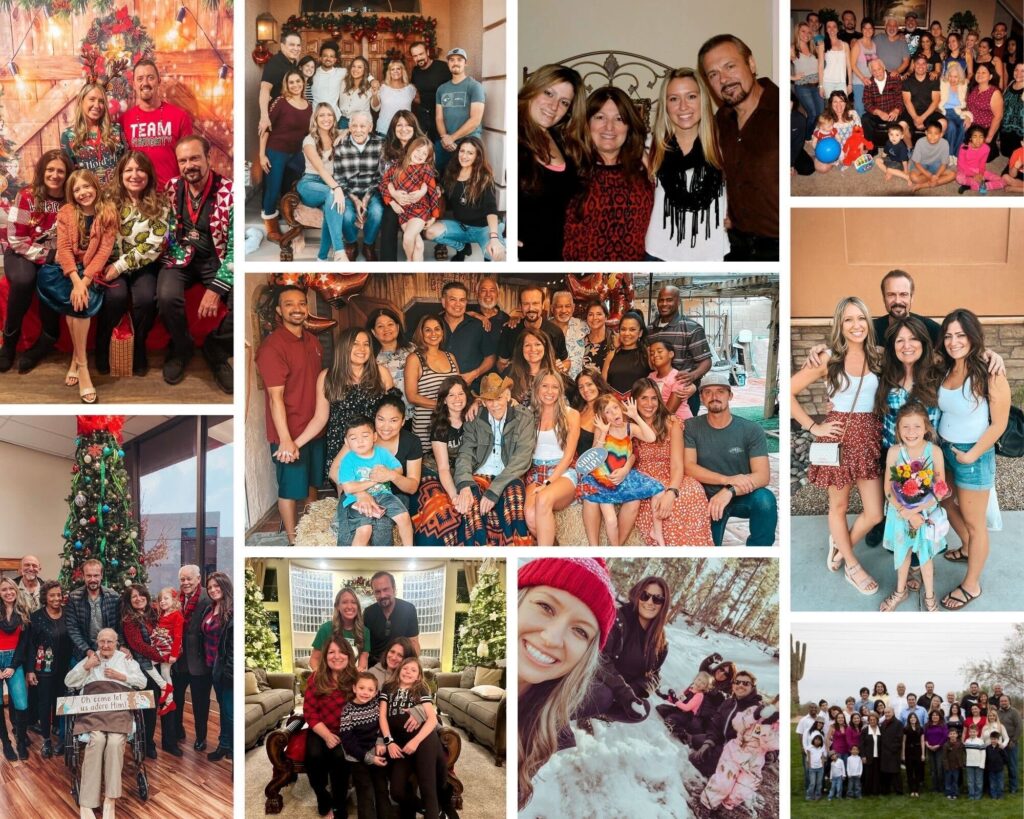
On my dad’s side, silence was survival. My grandparents grew up during World War I in Denmark, where speaking up could cost you everything. My dad learned to face pain alone, to be tough and never complain about what was going on underneath.
On my mom’s side, silence looked different. In many Mexican-American families, you don’t talk about emotional pain. You protect your families image, stay strong, and keep your emotional pain deep inside.
I was born into two cultures with one rule: don’t talk about pain.
The silence didn’t start with my parents—it came from generations before them, from trauma that nobody had the words or safety to heal. That’s what generational trauma does. It doesn’t die with the past; it grows roots. It becomes a cycle of pain passed down by people who were only doing what they knew to survive.
But that silence seeped into everything. It taught me to smile when I was breaking and to carry what no child should have to carry.
What Silence Does to a Child
When you grow up where pain isn’t spoken, you learn to hide it.
You learn that showing emotion makes people uncomfortable, so you hide it.
You smile when you’re hurting and pretend the chaos inside you doesn’t exist.
But silence doesn’t protect you; it shapes you. It teaches you to mistrust your feelings and keep secrets even from yourself. The pain doesn’t go away; it just finds another way out.
For me, that silence became the seed of my addiction. I didn’t know how to say, “I’m scared,” or “I hurt.” I only knew how to survive. And survival became my identity.
How Addiction Became My Escape
The first time I got high, it wasn’t about fun. It was about quiet. For the first time, the storm in my head went still. I didn’t feel good; I just felt less.
At twelve, I didn’t understand addiction. I just knew that feeling, nothing felt safer than feeling everything. The noise, the fear, the memories I couldn’t name, all faded for a while.
That moment became my escape hatch from reality. I wasn’t chasing a high; I was chasing silence. Every time I used it, it was like pressing pause on a life I didn’t know how to survive.
But silence can be dangerous when it comes in a chemical form. What started as a temporary escape slowly rewired my sense of safety. It taught me that the only way to cope was to disappear.
That’s how addiction began for me, not as rebellion or thrill-seeking, but as a desperate attempt to make the pain stop. And that almost cost me my life.
The Consequences No One Saw Coming
Once I learned how to quiet the pain, the cracks spread fast. What began as coping became survival. While other kids worried about dances and grades, I was already running, using, partying, and pretending I didn’t care.
In eighth grade, I overdosed and spent the weekend in the hospital getting my stomach pumped. Instead of asking why, the school expelled me. I wasn’t seen as a kid in pain, just trouble.
At fifteen, a rollover car accident left me badly injured. It should’ve been a wake-up call, but I buried the fear deeper. I told myself I was fine, even as everything inside me was breaking.
When Addiction Led Me Into Abuse
As I grew older, drugs stopped being a one-time escape and became part of who I was. I told myself I was in control, but deep down, I knew I wasn’t. That’s when I fell into a five-year abusive relationship — one that mirrored the pain and silence
I’d carried my whole life. Quiet. Heavy. I thought keeping him happy meant I was safe. But control isn’t love. What I thought protected me only trapped me deeper. At twenty, I finally left, believing things would get better. But pain doesn’t vanish when people do. It follows you.
I wish I could say it all got better after I finally escaped, but it didn’t. Even when I escaped that relationship and started to try and rebuild, the emptiness stayed.
The DUI That Should Have Been a Wake-Up Call
Not long after, I got an extreme DUI. I spent fifteen days in Tent City, fifteen on house arrest, paid thousands in fines, and sat through AA meetings and alcohol classes.
From the outside, it looked like accountability, but you can’t punish away pain.
I walked out exhausted, not changed. Without healing, I went right back to what I knew: numbing the voice in my head that said I’d never be enough.
But the truth is, I didn’t know how to live sober yet. Pain always found a new doorway, and this time it came with a prescription.
When Prescription Pills Became Something More
Motherhood, Loss, & the Choices That Broke Me

After that relationship ended, I got sober, and a few months later, in 2014, I found out I was seven months pregnant with my daughter, Brooklyn. Holding her felt like hope. Like maybe this was what would finally save me.
But addiction doesn’t care how much you love someone. After she was born, I relapsed. I tried to hold everything together, but I was still carrying pain I hadn’t faced.
Over the next few years, I cycled through detoxes, jails, and treatment programs — always hoping this time would be different. I had moments of sobriety, but I kept slipping.
Then, in 2016, my past caught up with me. I was indicted on old charges and soon learned I was pregnant again — this time with my son, Wesley.
In January 2017, the judge granted my parents permanent guardianship of Brooklyn. It wasn’t punishment, it was love. It gave her stability and gave me space to heal.
That day shattered me. It forced me to see the distance between who I was and who I wanted to become.
The Hardest Choice a Mother Can Make
On Valentine’s Day 2017, I gave birth to Wesley. I loved him with everything I had. But I was still facing 10 to 15 years in prison, and my plea deal hadn’t changed.
With Brooklyn’s case just ending, I knew what the right choice was, even though it broke me. Wesley deserved the stability I couldn’t give him. My decision to choose open adoption wasn’t because I didn’t love him. It was because I did.
Letting him go left a scar I’ll carry forever, but it was an act of love, one that broke me open while giving him the chance to be whole.
Prison Sobriety: Clarity Without True Healing
In May 2017, I was sentenced to three years in prison. By September, I was behind bars.
Prison became the most sober I had been in years. From 2017 to 2019, I had nowhere to run and nowhere to numb myself. For the first time in a long time, I had to sit with everything I’d buried — the silence, the wounds, the loss of my kids. I thought sobriety meant healing, but clarity without healing is its own kind of ache.
When I was released in November 2019, I swore I wouldn’t go back to the life I had been living. For a year, I stayed sober and tried to rebuild. I wanted to believe prison had changed me for good.
But addiction is patient. When you don’t face the roots of your pain, it waits for you. Eventually, I fell again — and when I did, I fell harder than ever before.
Falling Back Into Addiction
After a year out of prison, old patterns crept back in— this time with fentanyl. It was darker, deadlier, and faster than anything I’d ever experienced. I lost my family’s trust, my stability, and eventually, myself.
Days blurred together until time stopped meaning anything. I slept wherever I could — sometimes on the streets, sometimes nowhere at all.
Everything I owned fit in a backpack. Everything I hated lived inside me. That was my bottom. But it wasn’t quick, it dragged on for nearly two years.
When Everything Finally Stopped
I’ll never forget that day. I was filthy, exhausted, and carrying too much dope; completely lost.
I sat at a bus stop in Peoria, not waiting for a ride, just with nowhere else to go. I passed out, and fifteen minutes later, the police woke me up and arrested me. There was no big scene, no fight, no denial this time. Just quiet.
In that holding cell, something inside me broke open. For the first time in years, I wasn’t blaming anyone. I was just tired. And sometimes, that’s where real change begins—not with strength, but with surrender.
How Support Drives Lasting Recovery
This time wasn’t just another rock bottom. What made it different was the people who refused to give up on me. Addiction isolates, but recovery happens through connection.
My friend Susana had seen me at my worst. She’d pulled me out of dark places and never stopped believing I could make it. While I sat in jail, she reached out to her bosses Estil and Marcus at Cornerstone Healing Center and asked them to give me a chance — a bed, a scholarship, and a real shot at recovery.
And then there was my mom. She had every reason to walk away, but she didn’t. She stood in that courtroom and fought for me — believed in me when I couldn’t believe in myself. Because of her and the people who refused to give up on me, the judge gave me one more chance — to go to Cornerstone instead of jail.
My longtime friend from my earlier recovery attempts, my mom, and the team at Cornerstone all played a part in that moment. I didn’t know it then, but it would change everything.

What I Want You to Know About Cornerstone
If you’re thinking about treatment, or if someone you love is, here’s what made Cornerstone different for me, because I’d been through programs before, and this one actually stuck.
What Makes It Different From Other Programs
At the end of the day, it was the staff, the program, and how everything was built on the 12-step principles. What set Cornerstone apart wasn’t perfection — it was consistency. Every single day, the staff did their best to live by example. They didn’t just teach recovery; they lived it in front of us. And that made all the difference.
Why Staying the Full Program Matters
I’d left treatment early before and always ended up right back where I started—or worse. At Cornerstone, I stayed even on days I desperately wanted to leave, and that choice changed everything. You need time not just to detox but to dig into the pain underneath, to practice new ways of living before you’re back facing your old triggers. Leaving early is like pulling a plant out before its roots grow deep—it won’t survive the first storm. Staying the full program gave me time to root myself deep enough to survive what came next, and I’m begging anyone thinking about leaving to give yourself that same chance.
Finding Hope at Cornerstone Healing Center
Walking into Cornerstone, I was worried it would be just like every other program I had tried — another temporary stop before falling back into the same cycle. I’d been through detoxes, jails, and treatment centers before. I was tired. Tired of failing. Tired of disappointing everyone. Tired of disappointing myself.
But what I found there wasn’t just treatment — it was a community that believed in me before I could believe in myself.
It Wasn't One Moment — It Was a Hundred Small Ones
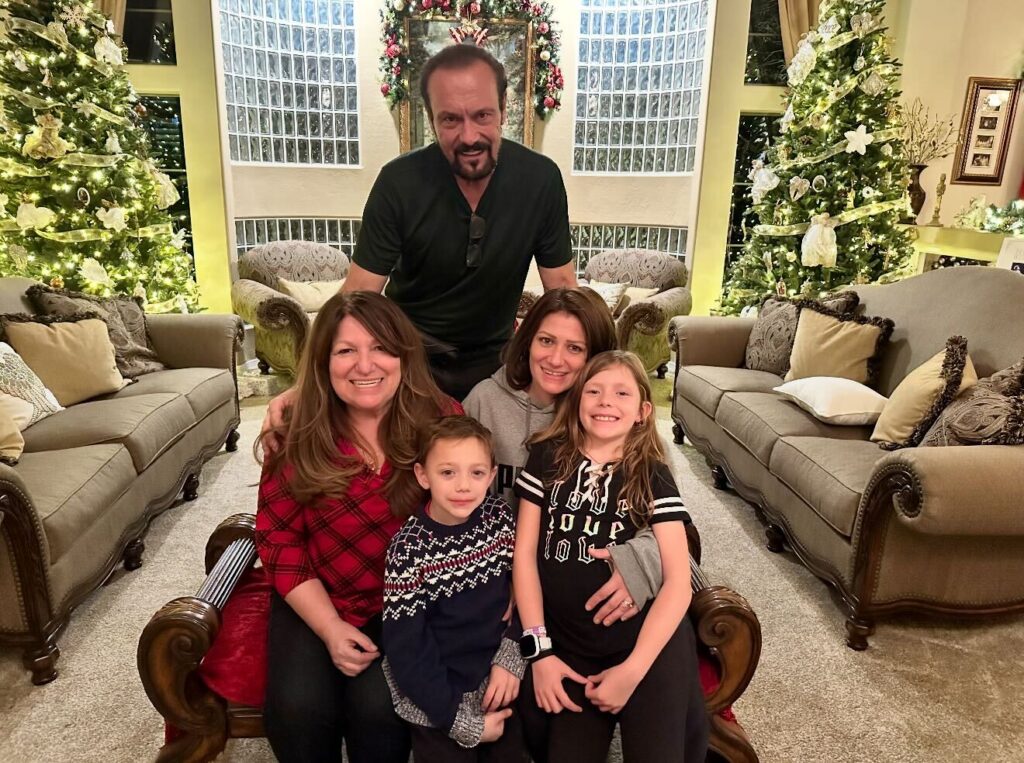
Recovery at Cornerstone wasn’t about one breakthrough moment. It was the accumulation of small things that added up to something bigger than I ever imagined.
It was group therapy sessions where I finally said things out loud I’d never told anyone. It was the small groups led by our BHTs where we laughed, cried, and sat with each other’s pain without judgment. It was cooking competitions between houses that reminded me life could be light again — that I could laugh without guilt.
It was silly moments at our individual houses, the kind you don’t expect to matter but somehow do. Inside jokes. Late-night talks. Someone checking on you when you went quiet.
I’m not going to say there weren’t moments I didn’t want to leave, because there absolutely were. Days when I felt restless, frustrated, ready to walk out. But the BHTs were there during those tough times. And conversations with the most unexpected staff members; people I didn’t think I’d connect with, truly helped me stay.
Unlike so many other times before, I actually stayed. And I’m so grateful for every single person who made that possible.
What I Wish I'd Known
Honest reflections on what you learned through the process:
- Sobriety without healing isn’t enough
- You can’t punish away pain
- Recovery isn’t one moment—it’s showing up over and over
- The people who stay matter more than anything
Rebuilding, Healing, & Finding Purpose After Cornerstone
Recovery didn’t hand me a perfect life. It gave me something better—a real one.
Working the 12 Steps gave me a framework to live by—how to take responsibility, make amends, stay honest, and lean on something bigger than myself.
That structure helped me stop running and start rebuilding. I’m rebuilding my relationship with my kids, something I once believed was gone forever.
And today, I get to write for the very place that helped me get clean, turning everything I’ve been through into something that might help someone else heal.
Every day is a good day compared to how I lived for so long. I try to live one moment at a time now—promptly admitting when I’m wrong, taking accountability for my part, doing the next right thing.
And when things don’t work out? There’s always a reason I just can’t see yet. That’s not something I could’ve said before. I would’ve spiraled, blamed someone, used. Now I trust the process. That’s a peace I never thought I’d feel.
Healing doesn’t happen all at once. It’s slow, showing up again and again until you start to recognize yourself. For me, recovery wasn’t about going back to who I was before.
I never knew that person. I got lost too young. Recovery was about becoming her for the first time. That’s what Cornerstone helped give me.
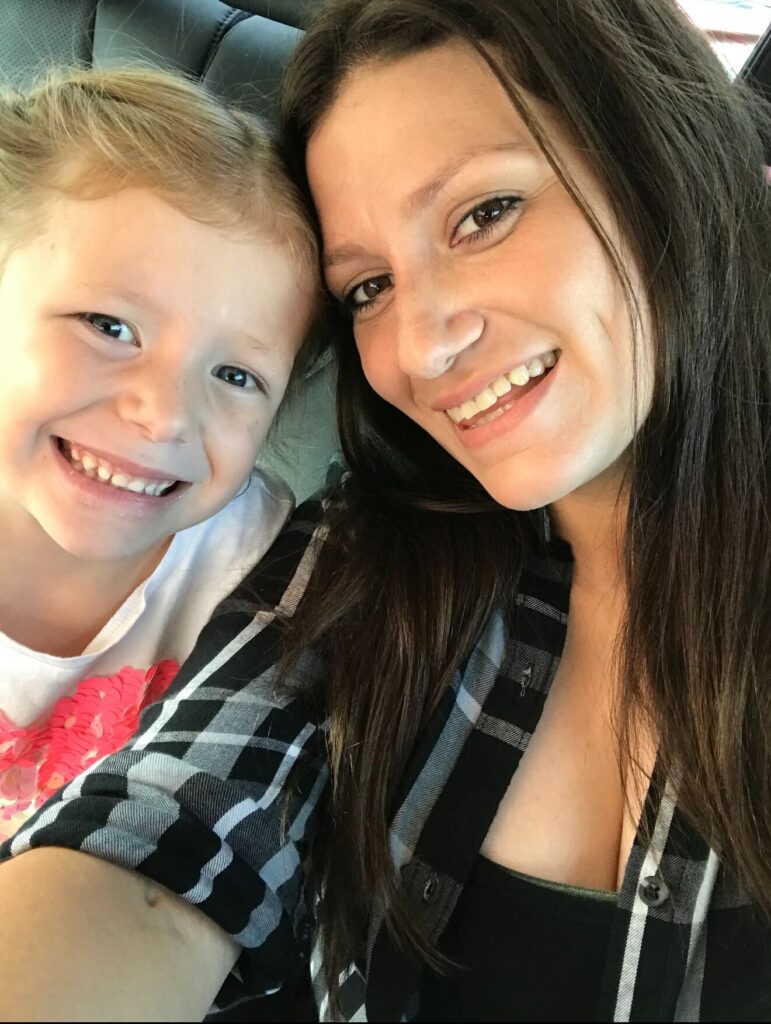
If I Can Recover From Addiction, So Can You
For most of my life, I believed I was too far gone. I thought my story would end in addiction, pain, or silence. But I was wrong.
My clean date is June 28, 2023. Life isn’t always easy, but since working Cornerstone’s program and living by the 12 principles, I haven’t wanted to use—not once.That’s not something I ever thought I’d be able to say.
I wouldn’t be here without Cornerstone Healing Center. They didn’t just help me get sober; they taught me how to actually live. They gave me the tools, the structure, and believed in me long before I could believe in myself.
But I also wouldn’t be here without Susana, who held space for me through nearly a decade of chaos, relapses, and rock bottoms. She never gave up on me, even when I’d given up on myself.
She showed me what it means to truly show up for someone until they’re finally ready to step into their own recovery.
If you’re reading this and think it’s too late, it’s not. You’re not too far gone. I was where you are—sitting in that place where hope feels impossible and change feels like something that happens to other people, not you.
But here’s what I know now: recovery is possible. Not perfect, not easy, but possible. And if I can find my way back from where I was, so can you.